
Best Areas to Invest in Bali 2026: Yields by Location


The best areas to invest in Bali in 2026 are Canggu (10-12% net yield), Uluwatu (10-12% net yield, 25-35% land appreciation), Pererenan (9-12% net yield, 20-30% below Canggu entry), Ubud (8-10% net yield, wellness driven), and Sanur (8-10% net yield, stable long-term rentals). The right area depends on whether you prioritise cash flow or capital growth.
Best areas to invest in Bali depend on one question: do you prioritise cash flow, capital growth, or a balance of both? Two identical villas built 15 kilometres apart can produce wildly different yields, face different zoning rules, and attract completely different tenant profiles. The area you choose is the single decision that most affects your return.
This article ranks the best areas to invest in Bali using transaction data from over 120 foreign investor purchases, current rental yield performance tracked by property managers operating across all regions, and market data from BPS Bali and AirDNA. It also covers infrastructure developments that will reshape area values over the next 3-5 years.
Returns are not guaranteed and depend on market conditions, property type, and management. Read our full Bali property investment guide for a complete overview.
How to Evaluate the Best Areas to Invest in Bali

Before comparing locations, it helps to understand the framework. Every area can be scored across five dimensions:
- Net rental yield (annual rental income after operating costs and tax / property purchase price)
- Capital appreciation (annual land price growth over the past 3 years)
- Entry price (cost per square metre for development-ready land)
- Infrastructure trajectory (planned government and private projects within 5 years)
- Liquidity (how quickly properties sell on the secondary market)
No single area wins on every dimension. A high-yield area may have limited appreciation potential because it is already mature. A low-entry-price area may carry higher risk because infrastructure is uncertain. The comparison table in the next section makes these trade-offs visible.
Area Comparison: Yields, Prices and Growth at a Glance
This table summarises current market data across Bali's six primary investment zones. Net yield ranges reflect short-term rental performance after operating costs and the 10% rental income tax, based on property management data across each area. Entry prices reflect leasehold villa acquisition costs from 1-bedroom to 3-bedroom. For a full breakdown of how these rental yields are calculated, see our dedicated yield analysis.
| Area | Net Yield (STR) | Entry Price (USD) | Capital Appreciation (3yr avg) | Occupancy Rate | Best For |
|---|---|---|---|---|---|
| Canggu (Berawa, Batu Bolong) | 10-12% | $140k-$400k | 15-20% | 70-85% | Proven cash flow, high liquidity |
| Uluwatu (Pecatu, Bingin, Ungasan) | 10-12% | $180k-$500k | 25-35% | 75-90% | Capital growth, premium positioning |
| Pererenan (Seseh, Cemagi) | 9-12% | $130k-$350k | 20-25% | 65-80% | Lower entry, Canggu demand spillover |
| Ubud (Centre, Tegallalang) | 8-10% | $130k-$350k | 10-15% | 60-75% | Wellness tourism, long-stay guests |
| Sanur (Denpasar coast) | 8-10% | $150k-$350k | 8-12% | 55-70% | Stable LTR, families, retirees |
| Seminyak (Petitenget) | 8-11% | $250k-$500k | 5-8% | 65-75% | Established brand, declining yield |
Source: BPS Bali tourism and occupancy statistics, AirDNA short-term rental data, property management occupancy records across all six zones, and market surveys from independent Bali property agencies (2022-2026).
Two patterns stand out. First, Uluwatu matches Canggu's 10-12% net yield while entry prices remain roughly 40% lower. That combination of matching yield and stronger appreciation (25-35% vs 15-20%) makes Uluwatu the strongest total return play on the island. Second, Seminyak has the highest entry costs but the lowest growth trajectory, a signal that the area has matured past its peak investment window.
Canggu: The Proven Performer
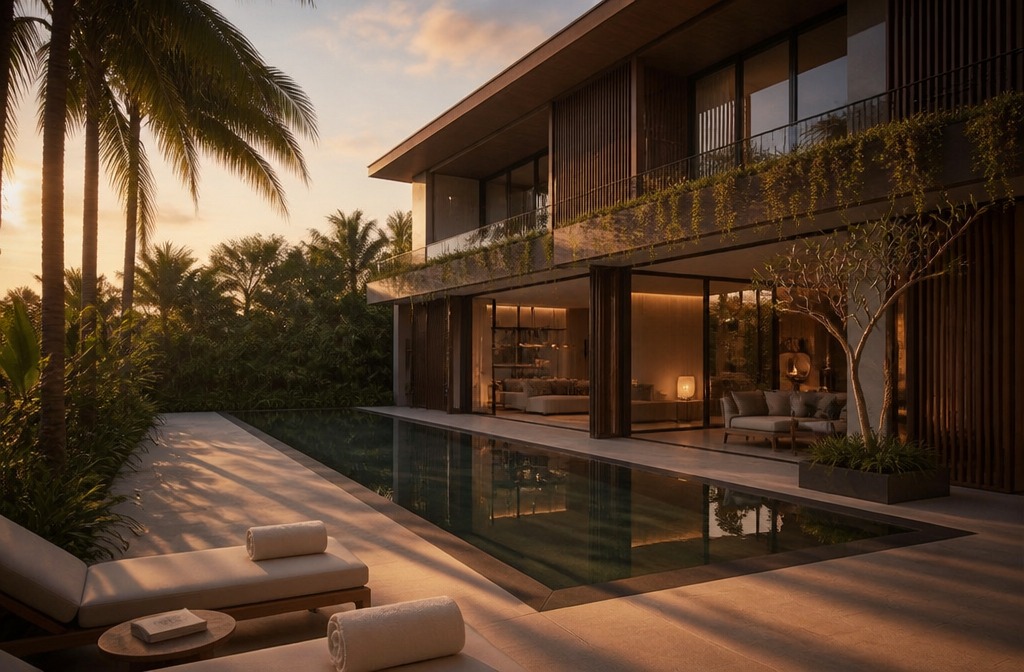
Canggu is Bali's most active investment market. Industry data shows that roughly one in three foreign property transactions in Bali since 2022 involved a Canggu address, more than any other single area.
The reason is straightforward: Canggu has the deepest demand pool. Digital nomads, surf tourists, young families, and short-stay holiday guests all converge in the Berawa-Batu Bolong-Cemagi corridor. This diversity protects occupancy rates even when one segment dips seasonally.
What makes Canggu work for investors. Canggu's rental infrastructure is the most developed on the island. Airbnb listings, professional property management companies, coworking spaces, international restaurants, and fitness studios create an ecosystem that keeps guests booking. A leasehold villa in Berawa starts from around $140,000 for a 1-bedroom and runs to $400,000+ for a 3-bedroom, generating 10-12% net yield after operating costs and tax at 70-80% occupancy.
The trade-off. Land prices have increased 15-20% annually for three years running. Entry costs are now the second highest on the island after Seminyak. For investors seeking capital appreciation, the upside is more modest than in emerging areas. For a full comparison of Bali's 2026 market dynamics, see our market overview.
Infrastructure catalyst. Phase 1 of the Bali Metro (Airport to Kuta to Canggu) is under construction, with tunnel boring machines active as of early 2026. The target completion is 2028. When operational, this rail connection will cut airport-to-Canggu transit from 90+ minutes in traffic to approximately 30 minutes, likely increasing both property values and rental demand.
Who should invest here. Portfolio investors who want predictable cash flow and high liquidity. Properties in Canggu sell faster on the secondary market than any other Bali location.
Uluwatu: The Growth Engine

Uluwatu has been the breakout investment story of 2024-2026. Entry prices starting from $180,000 remain approximately 40% below equivalent Canggu pricing, yet premium villas in Pecatu and Bingin command nightly rates of $250-$500, matching or exceeding Canggu. Net yields of 10-12% match Canggu at a lower capital outlay.
This price-to-revenue imbalance is the core opportunity. An investor entering Uluwatu today achieves the same net yield percentage on a smaller investment, while benefiting from 25-35% annual land appreciation.
What makes Uluwatu work for investors. The southern peninsula attracts a premium guest profile. Surf travellers, honeymooners, and luxury tourists are drawn to cliff-top ocean views and proximity to resorts like Four Seasons Jimbaran, Bulgari, and Six Senses Uluwatu. Occupancy rates for top-performing villas exceed 83%, with peak-season properties reaching 90%+.
Uluwatu's buyer demographic has also shifted. Five years ago, it was primarily a surf destination. Today, new restaurants, beach clubs, and boutique hotels have expanded the appeal beyond surfing into a luxury lifestyle market.
The trade-off. Infrastructure is improving but still behind Canggu. Roads in the Pecatu-Ungasan area can be narrow and congested during peak hours. Water supply is less reliable than in central Bali. These operational realities affect both construction costs and guest satisfaction.
Infrastructure catalyst. The GWK Bypass road connects GWK Cultural Park to Ungasan, providing an alternative to congested Jalan Raya Uluwatu. It is expected to be operational by late 2026. The Jimbaran Underpass, starting construction in August-September 2026, will ease the Nirmala-GWK intersection bottleneck. Together, these projects address Uluwatu's single biggest investor concern: access.
Who should invest here. Investors who prioritise capital appreciation over immediate cash flow. Suited to those willing to accept slightly higher operational complexity for stronger long-term returns. Consider off-plan properties in Uluwatu for the best cost-basis advantage.
Pererenan: The Smart Entry Point
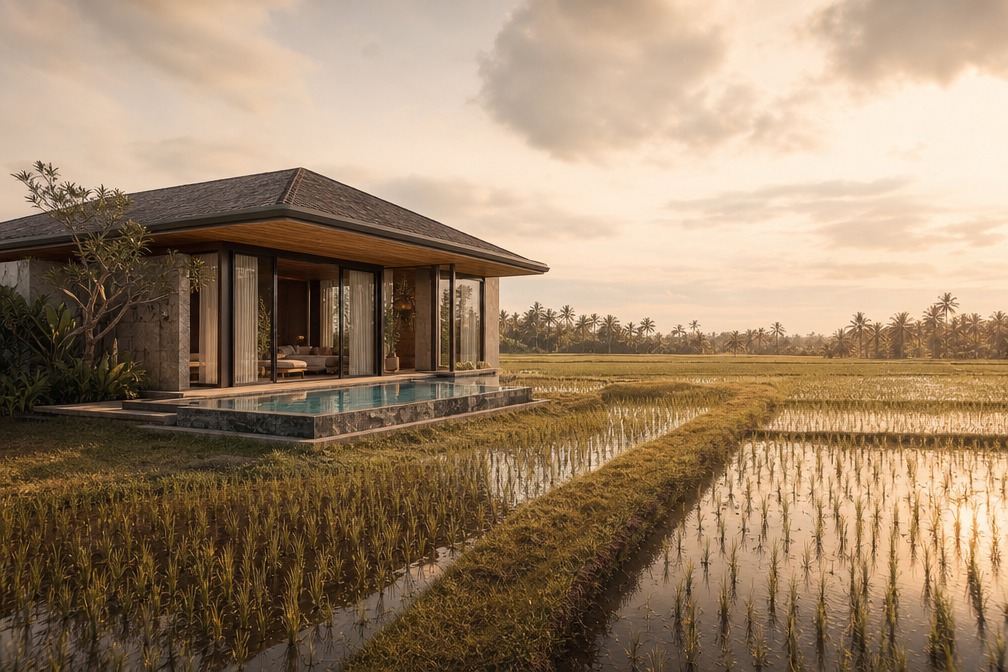
Pererenan sits directly north of Canggu's Batu Bolong. It is close enough to benefit from Canggu's demand pool but far enough to maintain lower leasehold prices. Entry prices in Pererenan run 20-30% below equivalent Canggu properties.
What makes Pererenan work for investors. The area attracts a guest profile similar to Canggu (digital nomads, young couples, surf travellers) at lower acquisition costs. A modern villa in Pererenan starts from around $130,000 for a 1-bedroom and runs to $350,000 for a 3-bedroom, delivering 9-12% net yield. That is roughly 20-30% less capital than a comparable property in Berawa for similar returns.
Pererenan also includes the emerging sub-areas of Seseh and Cemagi, which offer beachfront or near-beach plots at prices that Canggu reached 3-4 years ago. For investors who believe the Canggu corridor will continue expanding northward, Pererenan is where the growth curve is steepest.
The trade-off. Brand recognition is lower. Guests searching on Airbnb or Booking.com often search for "Canggu" rather than "Pererenan," which means listings may receive fewer direct impressions. Professional management and marketing become more important here than in established areas.
Infrastructure catalyst. The proposed west Bali toll road (96.84 km, connecting western Bali to central south) would pass through the greater Canggu-Pererenan corridor if construction proceeds. The project is classified as a National Strategic Project but is currently in re-tender after 2025 delays. If built, it would significantly improve access to Pererenan from the airport.
Who should invest here. Investors who want Canggu-like returns at a lower entry point and are comfortable with a 2-3 year horizon for the area's brand to mature. Particularly suited to first-time Bali investors. See our guide on how to buy property in Bali as a foreigner for a step-by-step walkthrough.
Ubud: The Wellness Play

Ubud operates on different dynamics than Bali's coastal areas. The guest profile skews older (35-55) and stays longer (2-4 weeks vs 3-7 nights on the coast). Spending patterns favour wellness experiences over nightlife or beach activities.
What makes Ubud work for investors. Entry prices start from as low as $130,000 for a 1-bedroom villa and run to $350,000 for a larger property, a significant discount to comparable coastal plots. Net rental yields of 8-10% come from longer occupancy periods and lower operational costs. Ubud villas typically require less pool maintenance, smaller gardens, and fewer staff than coastal properties.
Ubud's wellness tourism sector continues to grow. Yoga retreats, meditation centres, and healing-focused accommodations generate consistent demand year-round, with less seasonal variation than coastal areas that depend heavily on the June-September peak.
The trade-off. Nightly rates are lower ($80-$180 vs $200-$500 on the coast), so reaching the top of the 8-10% net yield range requires strong occupancy and careful cost management. Capital appreciation has been moderate (10-15% annually) compared to Uluwatu's 25-35%. Liquidity is also lower; properties in Ubud take longer to resell.
Infrastructure catalyst. Bali Metro Phase 2 plans include a Sanur-to-Ubud extension, targeted for 2031. If realised, this would dramatically improve Ubud's accessibility and could trigger a repricing of land values similar to what Canggu experienced when the Canggu Shortcut road opened.
Who should invest here. Lifestyle buyers who want personal use combined with rental income. Wellness-focused investors who see long-stay tourism as more sustainable than short-term rental cycles. Investors with a longer time horizon (5-10 years).
Sanur: The Stability Play

Sanur is Bali's most mature residential market. The area attracts families, retirees, and long-term expats who value calm beaches, established medical facilities (BIMC Hospital, Kasih Ibu), and proximity to Denpasar's administrative centre.
What makes Sanur work for investors. Long-term rental (LTR) demand in Sanur is more stable and predictable than short-term vacation rental demand in Canggu or Uluwatu. Monthly rental rates of $1,500-$3,000 for a furnished 3-bedroom villa provide consistent cash flow without the operational complexity of guest turnover, cleaning, and OTA management.
Sanur's tenant profile also tends to have higher retention rates. Families relocating for international school access (Green School, Bali Island School) and retirees on KITAP visas typically sign 12-24 month leases.
The trade-off. Net yields (8-10%) are solid but capital appreciation (8-12%) is the lowest among the primary investment areas. Sanur is not a growth play; it is a stability play. Investors who need aggressive capital gains should consider Uluwatu or Pererenan instead.
Infrastructure catalyst. Sanur is a planned stop on Bali Metro Phase 2 (Airport to Sanur to Ubud), which would connect Sanur directly to the airport and to Ubud's tourism market. The Sanur-side infrastructure is relatively well-prepared compared to other planned Metro stops.
Who should invest here. Retirees who want to live in their property part-time and rent it when away. Conservative investors who prioritise low vacancy risk over high yield. Families who want proximity to schools and medical facilities.
Which Area Matches Your Investment Profile?
The right area depends on your goals, not on which location has the highest headline yield. This decision framework maps four common investor profiles to the areas that best serve them.
| Investor Profile | Primary Goal | Best Area | Why |
|---|---|---|---|
| Cash flow investor | Maximise annual rental income | Canggu | Deepest demand pool, highest occupancy, fastest liquidity |
| Growth investor | Maximise capital appreciation | Uluwatu | 25-35% land growth, 40% below Canggu pricing, premium positioning |
| Value investor | Best yield per dollar invested | Pererenan | Canggu-adjacent demand at 20-30% lower entry cost |
| Lifestyle investor | Personal use + rental income | Ubud or Sanur | Lower entry, longer stays, calmer pace, less operational complexity |
The choice is not about finding the "best" area in absolute terms. It is about matching the area to your capital, timeline, and tolerance for operational involvement. Our lifestyle region guide explores each area's daily living experience beyond the investment numbers.
Three Trends Reshaping Bali's Investment Map in 2026-2028
1. The Bali Metro will restructure area values. Phase 1 (Airport to Kuta to Canggu) is under construction with a 2028 target. Phase 2 plans include Sanur and Ubud connections by 2031. Areas near confirmed metro stops will see land price premiums of 15-25% within 12 months of operational confirmation, based on comparable transit infrastructure effects in Bangkok and Jakarta. International arrivals to Bali exceeded 7 million in 2025, according to BPS Bali tourism data, supporting continued infrastructure investment.
2. Uluwatu access improvements accelerate the shift south. The GWK Bypass and Jimbaran Underpass projects, both expected to begin operating in 2026-2027, solve the access problem that has historically capped Uluwatu's investor appeal. Once drive times from the airport drop below 45 minutes consistently, the pricing gap between Uluwatu and Canggu will narrow.
3. Zoning enforcement is tightening. Indonesian authorities have increased enforcement of green zone building restrictions throughout 2025-2026, particularly in Ubud's rice terrace zones and Canggu's remaining agricultural land. Before purchasing any plot, investors must verify the zoning designation (Zona Kuning / yellow zone for development) through the local RDTR spatial plan. Proper due diligence on zoning and permits is essential. Building on green-zoned land risks demolition orders, permit revocation, and total investment loss.
Make Your Area Decision with Real Data

Every area in Bali offers a legitimate investment case. The question is which case matches your capital, timeline, and goals.
If you want help mapping your investment profile to a specific area, our team runs free strategy calls where we walk through available inventory, legal structuring, and management options based on your goals.
Book a free strategy call. 30 minutes, no obligation, honest answers from a team that has structured 120M+ EUR in Bali transactions.
Returns are not guaranteed and depend on market conditions, property type, operator performance, and management quality.
About the author
Kristjan Ploompuu is the CEO of Investland Bali Properties. He has guided over 100 international investors from 18+ countries through Bali real estate transactions, overseeing more than EUR 120 million in lifetime transaction value. He leads Investland Bali's investment strategy, legal structuring, and partner selection.
Published: May 2026 | Last updated: May 2026