Building a Villa in Bali: Essential Steps for Foreign Investors


Thinking about building a villa in Bali? Then this article is for you. Building a villa in Bali can be an exciting and challenging process for foreigners. We cover essential steps for foreign investors, from navigating land ownership laws to choosing the right location, to choosing a reputable architect and construction company.
Learn how to manage construction costs and hire the right professionals. Plus, discover why Bali is a prime investment spot for high rental yields or the perfect place for your dream home in paradise.
Key Takeaways
- Building a villa in Bali is both a dream and a lucrative investment opportunity, driven by a growing tourism market and demand for luxury housing.
- Foreign investors must navigate complex land ownership laws, commonly utilising leasehold agreements and ensuring legal compliance.
- Selecting the right location and managing construction costs are vital steps for success, along with hiring knowledgeable professionals and adhering to local regulations.
Why Build a Villa in Bali?
Building a villa in Bali is more than just a construction project; it’s a smart investment with promising returns. Bali’s charm as a top global destination ensures a high demand for rental properties, making it a prime location for property investors. The island’s tourism industry continues to grow, driven by its stunning landscapes, vibrant culture, and welcoming atmosphere. This growth translates into strong rental yields and a solid return on investment for those who build villas in Bali.
The changing nature of work, particularly after the pandemic, has also led to an increased demand for luxury housing in Bali. Many individuals now seek remote work opportunities in idyllic locations, and Bali fits the bill perfectly. The island offers a perfect blend of work and leisure, attracting digital nomads and expatriates looking for a long-term stay in a tropical paradise.
Moreover, the allure of Bali extends beyond its investment potential. Building a villa here allows you to create a personal sanctuary that provides an escape from the hustle and bustle of city life. Whether you’re looking to build a new villa as a holiday home or a permanent residence, Bali’s natural beauty and tranquil environment make it an ideal choice for your dream villa.
If your thinking of relocating to Bali, here is a great read: Moving to Bali
Understanding Land Ownership for Foreign Investors
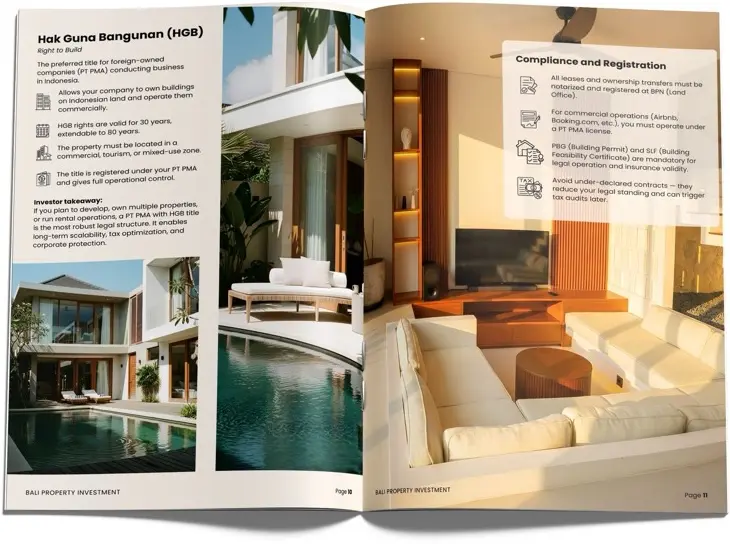
Navigating land ownership in Bali can be a complex process for foreign investors due to the restrictions on direct land ownership (freehold property). However, there are specific legal structures that allow international investors to acquire property in Bali. The most common method is through leasehold agreements, which provide a way for foreigners to secure land for property development without directly owning it.
Foreign investors must be diligent in understanding the legal obligations and frameworks that govern property ownership in Bali, as this requires in depth knowledge. Ensuring that all legal documents are properly managed and that the land titles are clear and free from encumbrances is crucial for the only legal entity involved.
Proper due diligence is essential when building a villa in Bali to avoid legal, financial, and zoning issues. Working with a reputable local partner helps verify land titles, check zoning compliance, and manage permits, ensuring your investment is secure. Their expertise simplifies the process, reduces risks, and helps your project run smoothly under Indonesian law. Choosing the right partner is key to a successful villa development.
Leasehold vs. Freehold Ownership
Foreign investors in Bali typically have only one primary options for land ownership type: leasehold ownership. Leasehold ownership is the most common and accessible form for foreigners, allowing them to hold ownership rights for a defined period, usually up to 80 years. This arrangement complies with local laws that restrict direct freehold property ownership by foreigners. Foreigners cannot directly own land in Indonesia, this land title is only reserved for local citizens.
Understanding the terms of the leasehold agreement is essential to avoid potential issues. A formal lease agreement between the foreign investor and the landowner outlines all terms and conditions, including:
- The right to use the property
- The right to make alterations
- The right to rent it out
Paying close attention to these terms can help ensure a smooth property development process.
Legal Restrictions and Compliance
Adhering to Indonesian regulations regarding property ownership is paramount for foreign investors. Effective due diligence is vital to avoid legal complications and ensure that all rights are protected. This includes understanding and complying with zoning regulations, which dictate what can be built on the land and the permits required for construction.
Navigating local regulations may require collaboration with a knowledgeable lawyer or real estate partner who can handle permits and ensure legal compliance. For instance, the legal permit required for building construction in Indonesia is known as the IMB or PBG, which must be obtained before starting any construction or renovations.
Compliance of leasehold contracts with Indonesian law regulations is crucial to protect the investor’s rights.
Choosing the Right Location

Selecting the perfect location for your villa in Bali is a critical step that can significantly impact your investment’s success. Popular areas like Canggu, Ubud, and Uluwatu are particularly attractive due to their high rental yields, which can reach between 12-15% per year. These areas are known for their vibrant tourism scenes, making them prime choices for investors looking to generate rental income or taking part of the vibrant lifestyle of these locations.
When choosing a location, it’s essential to consider factors such as:
- Accessibility to major routes
- Local amenities
- Infrastructure
- Proximity to schools, healthcare facilities, and other services
- Your lifestyle preferences
These factors can enhance the desirability of your villa, making it more appealing to potential renters and more comfortable for living.
Additionally, emerging areas in Bali present opportunities for investors to acquire properties at lower prices before these locations experience significant growth.
Finding the Perfect Land Spot
Finding the ideal land spot for your villa requires thorough research and due diligence. Popular areas for building and investing in Bali include:
- Canggu
- Berawa
- Sanur
- Uluwatu
- Seminyak
- Ubud
- Pererenan
- Nyanyi
Each location offers unique advantages, so it’s essential to assess factors such as aesthetic backdrop, accessibility to services, and long-term investment potential.
Before buying land, consider the following important steps to buy land:
- Check land zoning regulations. Read more about the zoning in Bali: Zoning in Bali
- Ensure that the property is free from legal encumbrances (taxes, ownership rights, loans).
- Engage a real estate professional to help navigate the complexities of land acquisition and verify legal titles.
- Conduct soil tests to confirm that the land is suitable for construction.
- Negotiations with the land owner
- Visit the property before making a purchase to evaluate its actual condition and ensure it meets your expectations.
- Typically, a downpayment is required when you buy property in Bali, indicating your seriousness and commitment to the transaction. A buyer representative can assist you in navigating this process.
- This downpayment is usually held in escrow until the transaction is completed.
- Land transaction is done by a local notary, be sure to choose the notary yourself.
Budgeting and Construction Costs

Budgeting is a crucial aspect of building a villa in Bali, as construction costs can vary widely based on design and materials. Typically, construction costs range from $700 to $1,500 per square meter. Factors such as the complexity of the design, quality of materials, and desired specifications can significantly influence the overall budget.
It’s advisable to set aside 10-20% of your realistic budget for unforeseen expenses, such as material cost increases or project delays. The construction process can take anywhere from 12 to 18 months, so engaging experienced local professionals can help streamline the process and ensure that the project stays on track, as managing these aspects can be time consuming.
Appointing Key Professionals
Hiring the right professionals is crucial to the success of your villa construction project. Conducting due diligence and selecting reputable architects and contractors can make a significant difference. Architects and builders with knowledge of local design trends, materials, and sustainability practices can help realise your vision while navigating local building codes and legal compliance.
Effective communication with your contractor is essential to mitigate errors and ensure satisfaction with the project. Thorough interviews and reference checks can help you find trustworthy contractors who can deliver quality work. Additionally, consider hiring a contractor with whom your architect has previously collaborated to facilitate smoother communication and execution.
We in Investland Bali Properties offer you a comfortable full service:
- Sourcing, purchasing the land
- Due diligence and legal compliance
- Architecture and design
- Construction and licences
- Insurance, maintenance and management
Selecting an Architect
When selecting an architect for your villa, consider their local market knowledge, understanding of design requirements, and effective spatial planning. Reviewing their prior projects can help ensure that their style and approach align with your expectations. An experienced architect can also assist in finding reliable contractors and maintaining constant communication for proper construction revisions.
Providing your architect with clear ideas and preferences is crucial to accurately plan your new villa. This collaboration will help create a design that meets your vision and maximises the property’s potential both as a living space or rental property.
Hiring a Contractor
Hiring a reliable contractor is a critical step in the construction process. It’s essential to verify a contractor’s previous projects and references before making a decision. Establishing a clear contract detailing the project scope and timelines can help avoid misunderstandings and ensure that the work proceeds smoothly.
Effective communication with your contractor is vital to address any issues promptly and keep the project on track. Payment per milestone is often a preferred method, ensuring that work proceeds at a satisfactory pace and quality.
Navigating Local Regulations and Permits
Understanding and complying with local regulations and permits is crucial for a successful construction project in Bali. The zoning classification of the land affects what can be built and the permits needed, including zoning approval and zoning laws. The primary permits required are the PBG (Building Permit) and SLF (Function Worthy Certificate), which ensure that construction projects are technically sound and safe for occupants.
The building application process requires submission of various documents to the Ministry of Public Works and Public Housing, and securing these building permits typically takes around 3 to 5 months. Collaborating with local authorities and ensuring compliance with building codes and safety standards can help avoid legal complications during the construction process.

Construction Process Overview
The construction of a villa in Bali typically takes about 6 to 18 months depending on the scope and difficulty. Building in Bali presents unique challenges, such as diverse climate conditions and varied terrain, which can impact the construction process. Effective communication with contractors and regular site visits are essential to ensure that the construction aligns with expectations and any issues are swiftly addressed.
Planning the construction during the dry months can help mitigate weather-related delays and improve project management. Selecting a contractor who has previously collaborated with your architect can also facilitate smoother communication and execution.
Interior Design and Finishing Touches
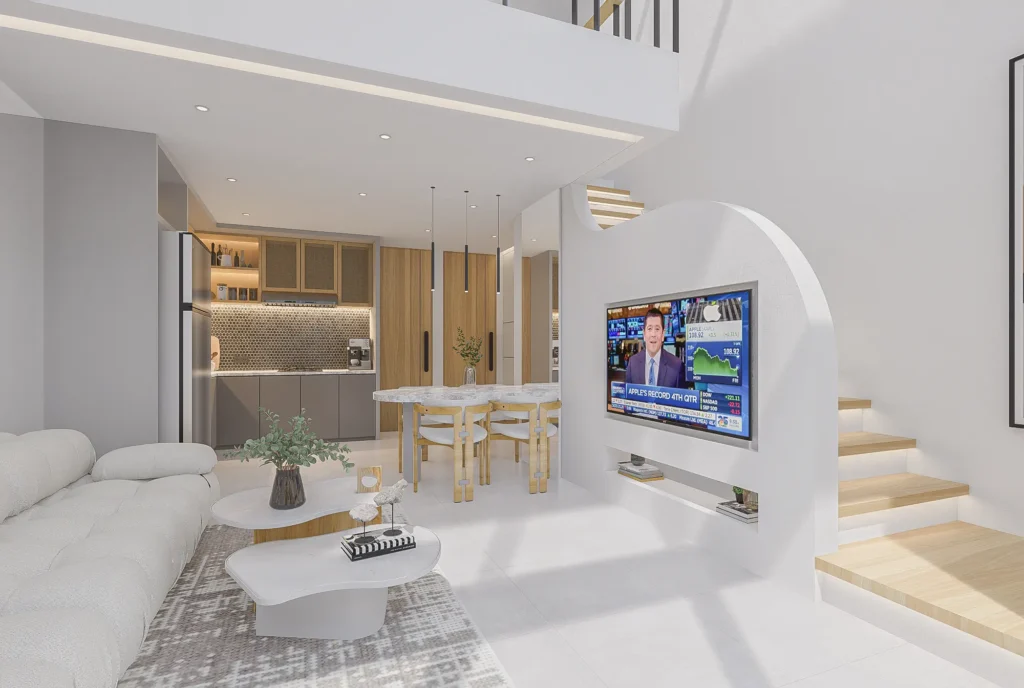
The final step in building a villa is the interior design and finishing touches, which play a crucial role in creating a comfortable and attractive living space. Sourcing local materials and furnishings can add a touch of authenticity and enhance the villa’s appeal. A professional interior designer can tailor furniture, decor, and colour schemes to meet the villa’s vision and create a cohesive look.
Climate considerations, such as natural ventilation and outdoor living spaces, are vital when designing a home in Bali. Incorporating elements like outdoor lighting and water features can enhance the ambiance and safety of the villa, making it more appealing to renters in a tropical living environment.
Landscaping is another important aspect of the finishing touches, adding visual appeal and privacy to the property. Using native plants that thrive in Bali’s environment is ideal for creating a lush and sustainable materials landscape.
Post-Construction: management, maintenance, insurance
Owning a villa in Bali opens up rental opportunities when the property is not being used personally. This can generate additional income and ensure the profitability of the investment. Villa management services are crucial for maintaining the property’s condition, handling bookings, and providing a seamless experience for renters.
Engaging local property managers can provide valuable insights into property market trends and tenant preferences, helping to create a competitive business model for the property. Effective marketing strategies can enhance visibility and increase rental occupancy rates, ensuring a positive return on investment.
Another aspect why you should opt for a management company (if you are planning to rent the villa out) is the maintenance of the property. This is crucial to keep your property fresh and make it last a longer period.
We also suggest to always insure your villa, which will help you in unknown situations for example with weather damage or rental property damages.
Common Challenges and How to Overcome Them
Building a villa in Bali comes with its own set of challenges, but being prepared can help you navigate them successfully. Common challenges include finding reliable contractors and managing project timelines effectively. To mitigate these issues, it’s recommended to use a payment per milestone method, ensuring that work proceeds at a satisfactory pace and quality.
Legal compliance is another critical area where investors often face difficulties. Non-compliance with local regulations can lead to serious legal complications, including fines or even demolition orders. Conducting thorough due diligence and seeking professional advice from knowledgeable lawyers can help avoid these pitfalls.
Additionally, considering alternatives such as purchasing a pre-built or off-plan property can offer quicker occupancy and less hassle when you build property.
Summary
Building a villa in Bali is a rewarding process that combines the allure of tropical living with promising investment returns. From understanding the intricacies of land ownership and legal compliance to selecting the perfect location and managing your property post-construction, each step is crucial in turning your dream into reality. By following the guidelines outlined in this guide, you can navigate the complexities of property development in Bali with confidence and ease.
Whether you’re looking to create a personal sanctuary or tap into the lucrative rental market, the key to success lies in thorough planning, due diligence, and collaboration with the right professionals. So, take the leap and start your journey towards building your dream villa in Bali – a paradise that promises both financial and personal fulfilment.
Frequently Asked Questions
Can foreign investors own land outright in Bali?
Foreign investors can’t own land outright in Bali; instead, you can enter a leasehold agreement for up to 80 years to secure your pieceof paradise. It’s a popular way to enjoy the beautiful island while respecting local laws!
What are the main costs involved in building a villa in Bali?
When building a villa in Bali, the main costs come from construction, typically between $500 to $1,500 per square meter, plus land lease prices that vary by location. Don’t forget to reserve 10-20% of your budget for any unexpected expenses!
How long does it take to build a villa in Bali?
Building a villa in Bali generally takes around 6 to 18 months, influenced by the design and weather. So, be prepared for some flexibility in your timeline!
What permits are required for building a villa in Bali?
To build a villa in Bali, you’ll need to secure a PBG (Building Approval) and an SLF (Function Worthy Certificate). These permits are essential for ensuring your project is safe and technically sound.
How can I manage my villa in Bali after construction?
To effectively manage your villa in Bali after construction, consider hiring local property management services. They can handle everything from bookings to maintenance, ensuring your investment remains profitable and well-maintained.